
Solution
Upcycling of curtains in commercial buildings
Examine what exists before you replace it.
What upcycling involves
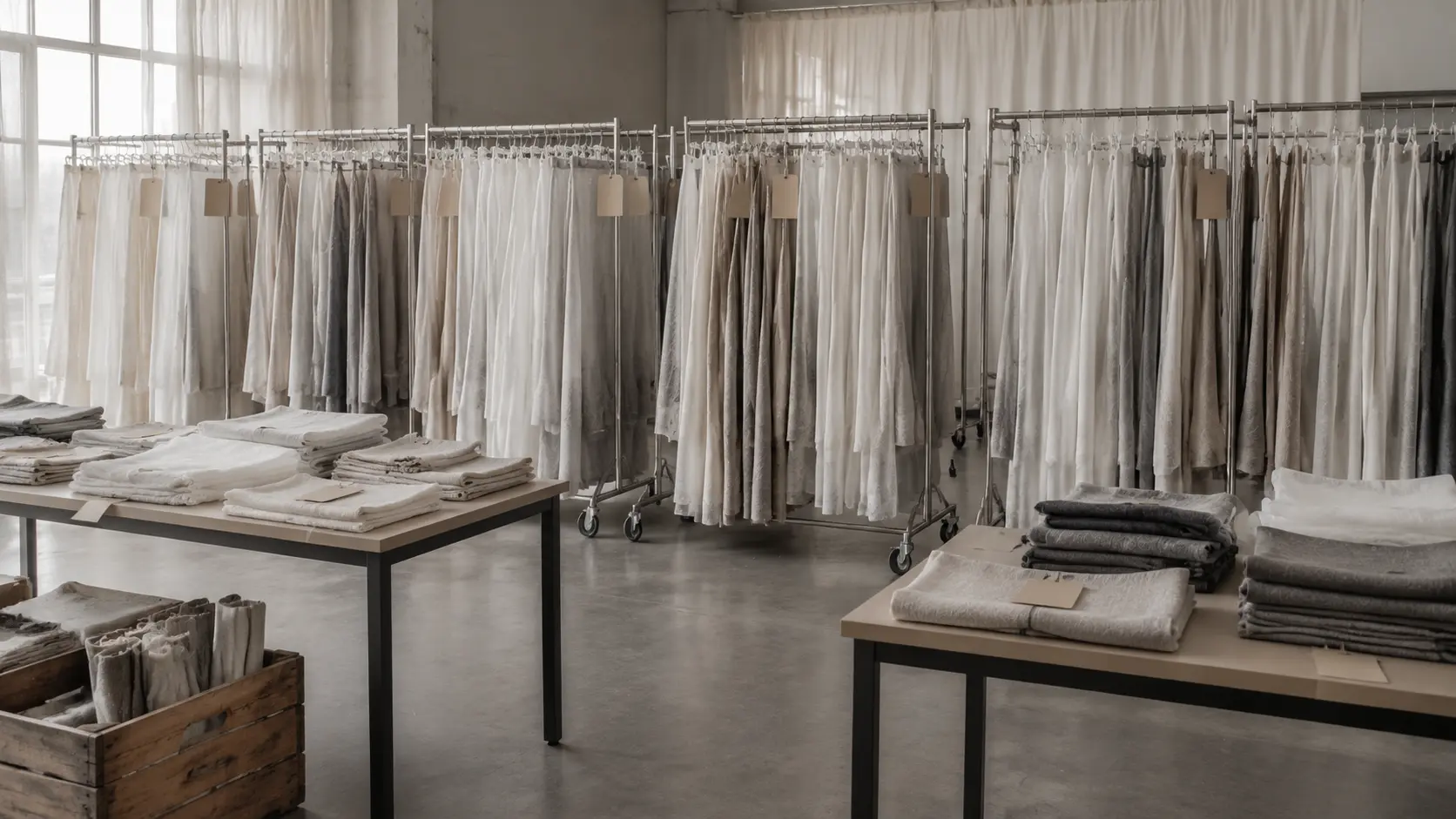
Many buildings hold textiles of good quality that can be given new life with the right treatment. Upcycling here means that existing curtains are registered, assessed and — where it makes sense — cleaned, repaired, re-sewn, adapted or remounted in new rooms.
We can register textiles, dimensions, hanging systems, condition and available documentation. The options are then assessed professionally, and not all textiles are suited to a new use — the recommendation states that clearly.
Typical situations
Upcycling is worth examining in, among others:
- Renovation projects where rooms change function or expression
- Relocations and headquarters moves where existing textiles come along
- Tenancy changes with new room layouts
- Upgrades where only part of the solution needs renewing
- Projects with explicit goals of reducing replacement and waste
What the assessment covers
- Textile quality, quantity, dimensions, hanging, colour and condition
- Fire classification and documentation against the new use
- Functional requirements in the new rooms: transparency, blackout, acoustics
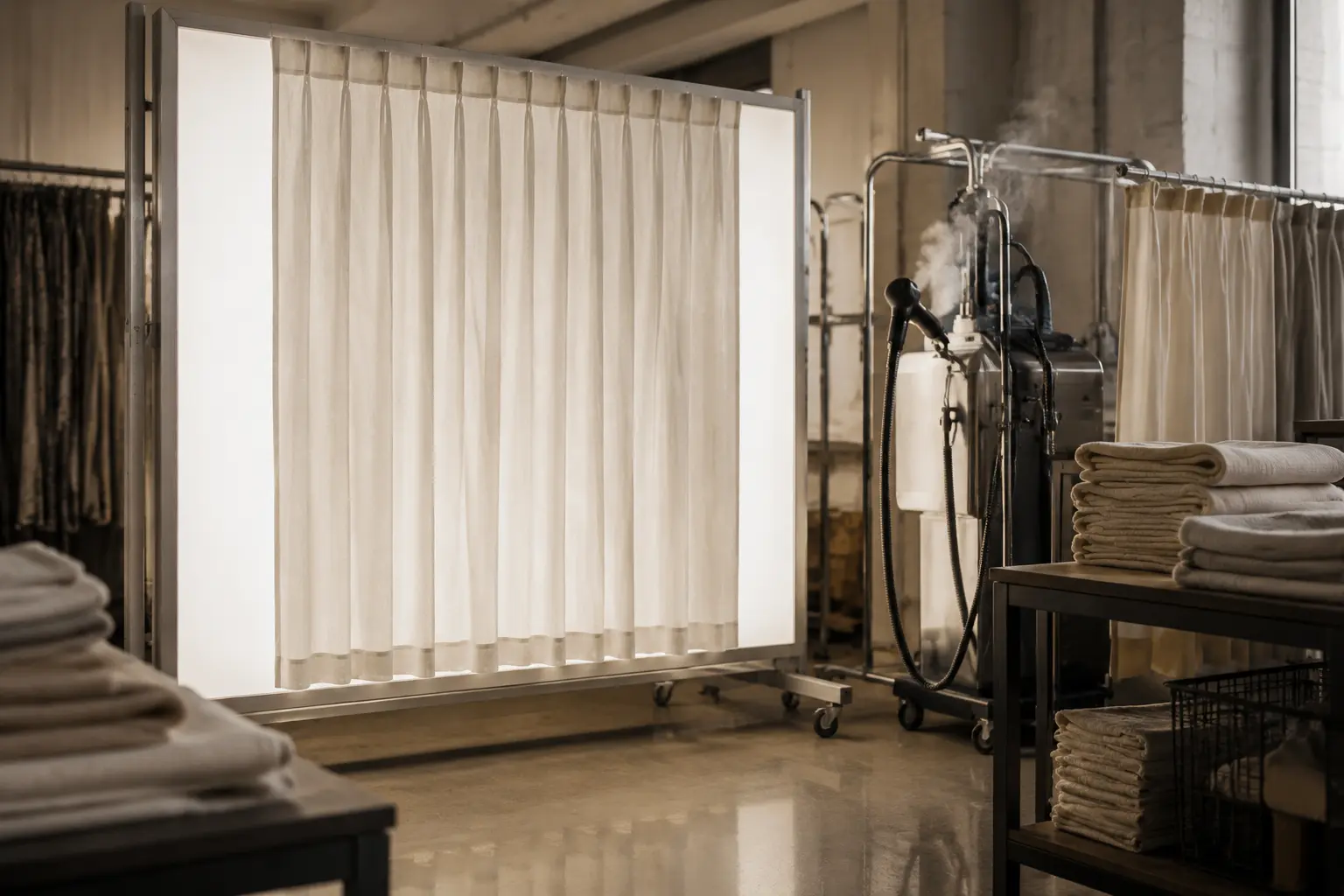
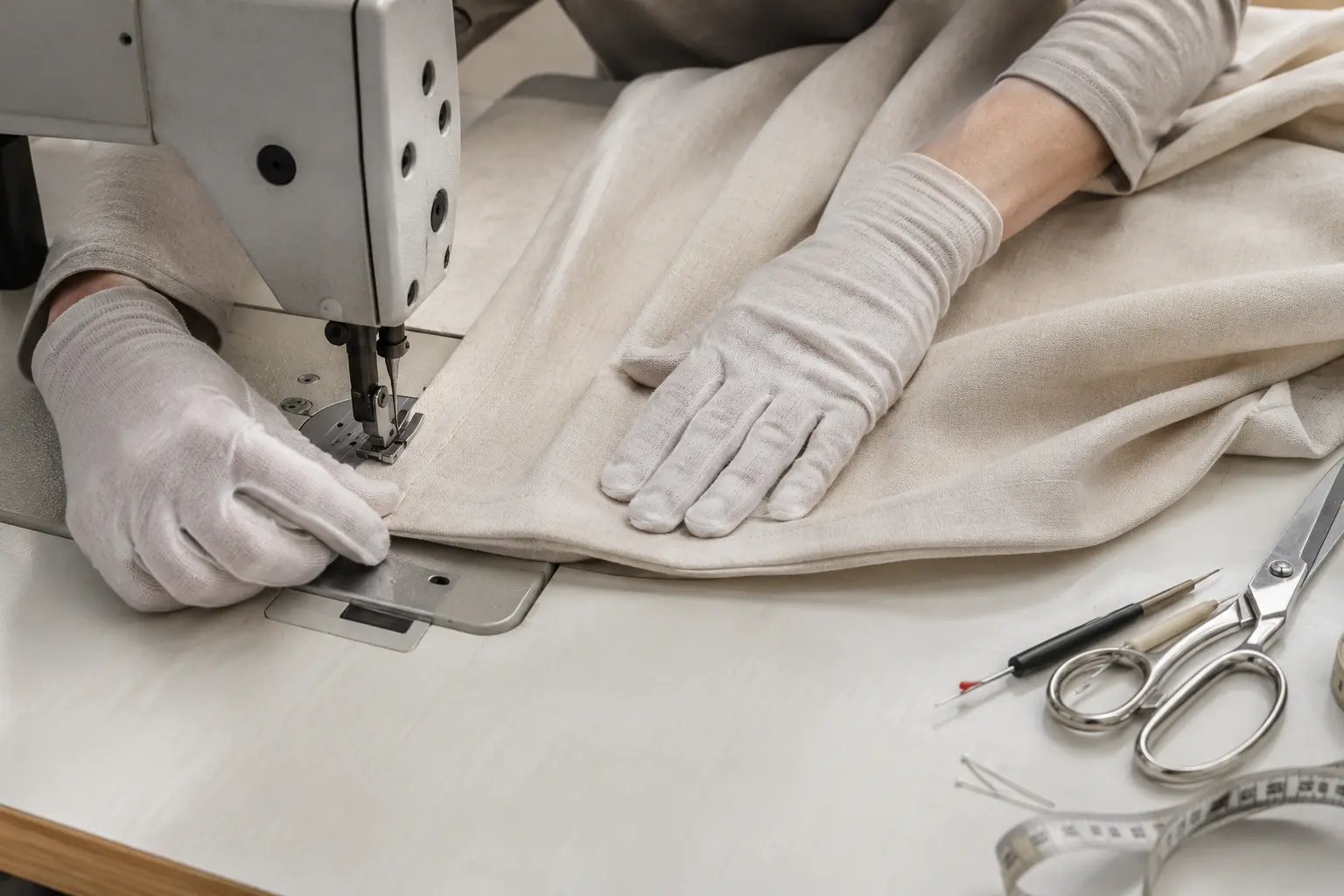
- Possible interventions: cleaning, repair, shortening, extending, re-sewing, new heading
- Schedule, logistics and cost compared with replacement
- Expected remaining service life and future operation
An honest basis for the decision
The assessment weighs function, aesthetics, fire requirements, schedule, logistics and cost. Reuse is not automatically the best solution, but it should be examined before everything is replaced. The result is a decision basis that clearly shows what can be reused, what should be replaced, and why.
Documentation after interventions
When textiles are cleaned, re-sewn or moved, the new dimensions, locations and completed interventions are recorded. That makes future service, cleaning and reordering simpler and keeps the operational overview intact.
The CIS Nordic role and next step
CIS Nordic handles registration, assessment, the chosen interventions and remounting — possibly combined with new textiles where the existing ones fall short. The first step is a registration of the building's existing solutions.
Frequently asked questions
Can all existing curtains be reused?
No. Suitability depends on condition, dimensions, the function and performance required in the new room, and the available fire documentation. Some curtains can be reused directly, while others can be cleaned, repaired or altered. Curtains no longer suitable for reuse may, depending on their materials and construction, be suitable for material recycling. A site survey establishes this before money is spent on adaptations.
How are fire requirements handled when curtains are reused or upcycled?
The documentation must cover the new location and use. If the fire classification cannot be verified, compliance must not be assumed. Suitability should be assessed with the project's fire-safety lead before the curtains are reused.
Is it cheaper to reuse or upcycle existing curtains than to buy new ones?
Not always. Surveying, cleaning, alterations, logistics and reinstallation all carry costs. The assessment compares total cost, programme, required performance and expected remaining service life with a new solution.
Can existing curtains be reused in another room?
Yes, if their dimensions, condition, required performance and fire documentation suit the new room. A room-by-room survey shows where each curtain can be reused and whether it first needs cleaning, shortening, alteration or a new heading system.
Where to go next
Do you have a project for us to look at?
Talk to us about the project, or upload the material for a preliminary estimate.